


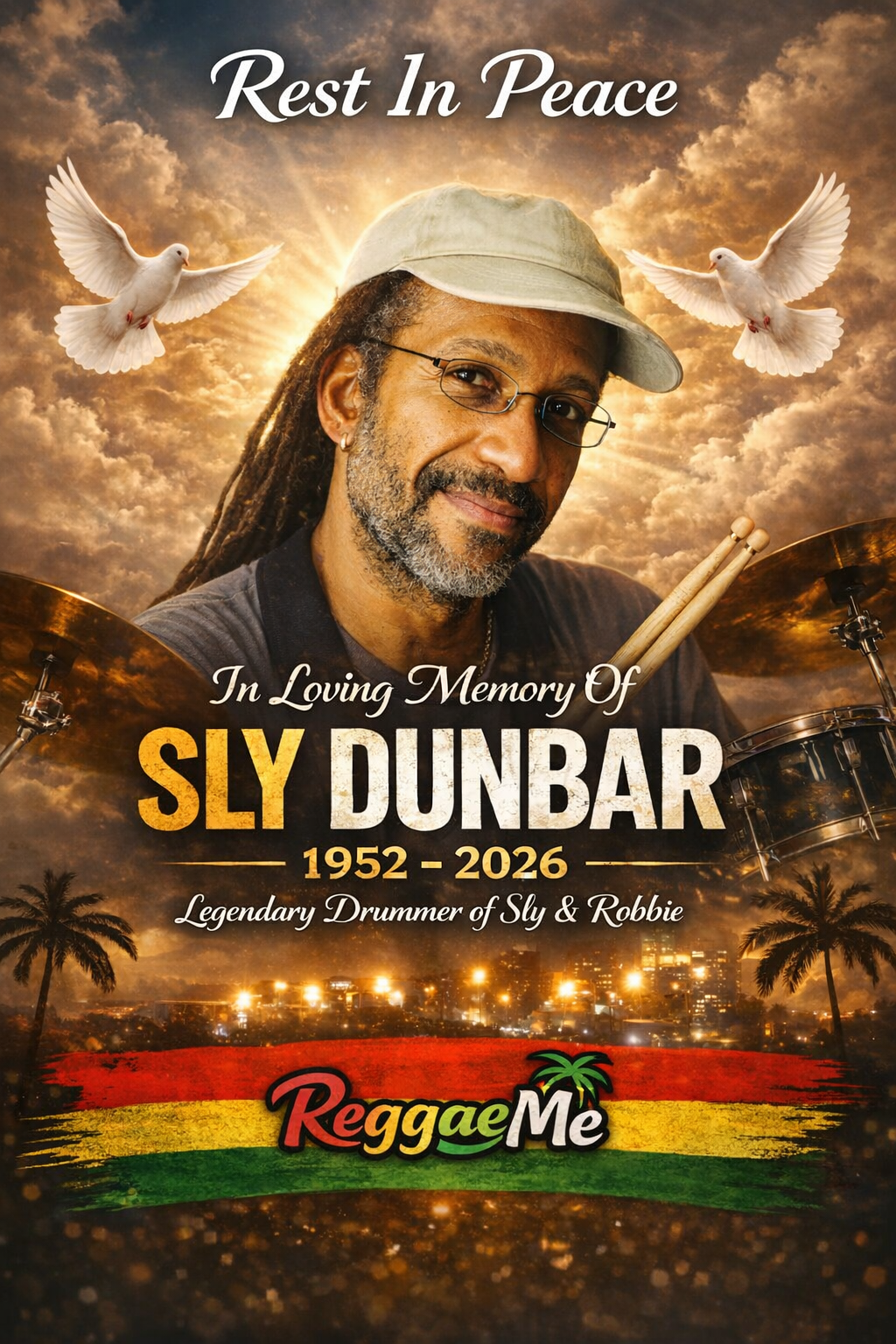
Few musicians in modern history have shaped global sound as profoundly as Lowell “Sly” Dunbar.
More than a drummer, Sly Dunbar was a rhythmic architect, a cultural force, and one half of the most influential rhythm section the world has ever known — Sly & Robbie.
His drums did not simply keep time.
They defined eras, launched genres, and carried Jamaican music from Kingston to every corner of the world.
Table of contents [Show]
Roots in Kingston: The Birth of a Rhythm Revolutionary
Born and raised in Kingston, Jamaica, Sly Dunbar emerged during the island’s explosive musical evolution of the late 1960s and early 1970s.
As reggae developed from ska and rocksteady, Sly brought with him something radically new.
Influenced by jazz, funk, soul, and African rhythmic traditions, he fused:
discipline with creativity
precision with rebellion
structure with freedom
His style was clean, militant, futuristic — instantly recognizable and endlessly influential.
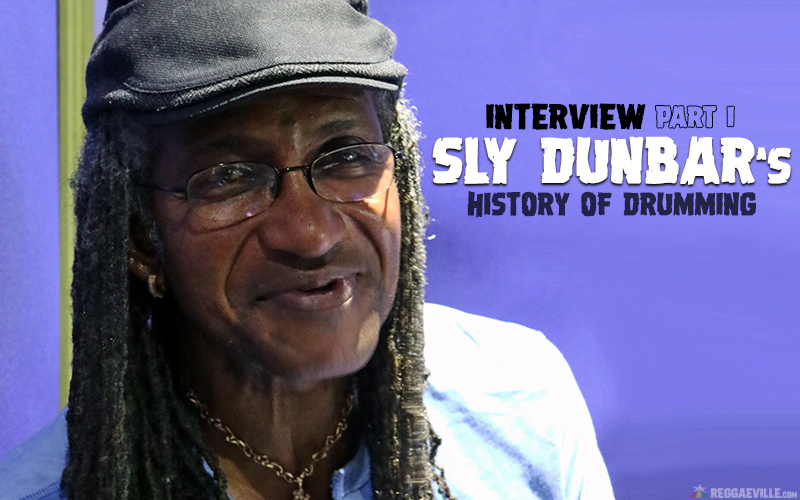
From Studio Drummer to Global Innovator
Sly Dunbar’s early studio work immediately set him apart.
Where most drummers followed established patterns, Sly reimagined rhythm itself.
His revolutionary use of:
snare placement
hi-hat timing
bass drum patterns
transformed the drummer from a background player into a lead architect of sound.
It was during this era that his legendary partnership with Robbie Shakespeare was born.
Together, Sly & Robbie became far more than session musicians — they became:
producers
innovators
trendsetters
cultural engineers
Their rhythmic backbone powered recordings for some of the greatest artists in music history, including:
Peter Tosh
Black Uhuru
Bunny Wailer
Jimmy Cliff
Grace Jones
Bob Dylan
The Rolling Stones
Serge Gainsbourg
Herbie Hancock
Across reggae, dub, pop, punk, jazz, and experimental music, one thing remained constant:
You could always hear Sly.
Mechanical yet human.
Restrained yet explosive.
Redefining Reggae, Inventing Dancehall
One of Sly Dunbar’s most enduring legacies lies in his role in shaping dancehall music.
At a time when reggae was transitioning toward digital production and stripped-down riddims, Sly did something few musicians dared to do:
He embraced technology without sacrificing soul.
Using drum machines, electronic textures, and minimalist patterns, he helped pioneer a new rhythmic language that would dominate Jamaican music for decades.
Classic riddims associated with Sly & Robbie became global templates — copied, sampled, remixed, and reinterpreted across generations.
His influence extended far beyond Jamaica, shaping:
hip-hop breakbeats
electronic music structures
Afrobeat groove concepts
modern pop production
Sly Dunbar didn’t follow trends.
He predicted them.
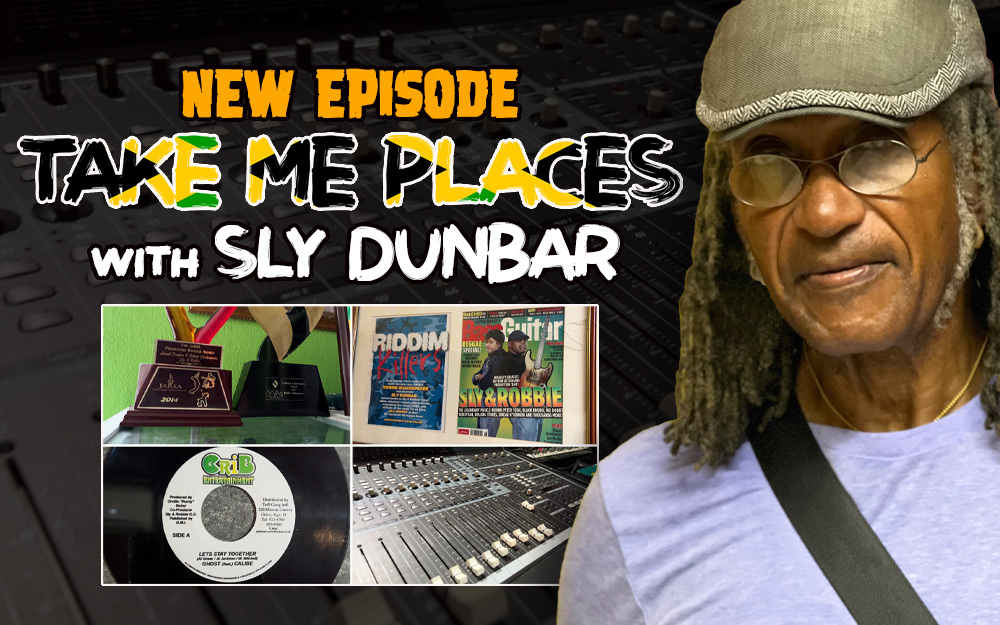
A Global Cultural Force
From Kingston sound systems to international stadiums, Sly Dunbar’s impact crossed borders effortlessly.
His rhythms influenced:
punk bands seeking urgency
hip-hop producers studying groove science
electronic musicians chasing precision
He earned respect from both street-level sound systems and academic music scholars — a rare achievement few musicians ever reach.
Through his work, Jamaican music secured its rightful place at the center of global culture.
Final Years and Passing
In the past decade, Sly Dunbar faced long-term health challenges and a gradual decline in physical strength.
While public appearances became fewer, his influence never faded.
His catalog continued to educate, inspire, and dominate playlists, archives, and studios around the world.
On the morning of January 26, 2026, Sly Dunbar passed away peacefully at home.
Though the drumsticks are now at rest, his rhythms continue to pulse through sound systems, studios, and the collective memory of global music.
Musical Innovation: ⭐⭐⭐⭐⭐
Technical Mastery: ⭐⭐⭐⭐⭐
Riddim Creation & Production: ⭐⭐⭐⭐⭐
Cultural Impact: ⭐⭐⭐⭐⭐
Global Influence: ⭐⭐⭐⭐⭐
Collaboration & Versatility: ⭐⭐⭐⭐⭐
Consistency & Longevity: ⭐⭐⭐⭐⭐
Legacy & Timelessness: ⭐⭐⭐⭐⭐
🏆 Overall Rating: ⭐⭐⭐⭐⭐ — Perfect Score
A Drum Immortal
Final Word
Sly Dunbar did not chase fame — fame followed his rhythm.
He taught the world that drums are not just instruments, but storytellers, historians, and revolutionaries.
Long after the final beat fades, his sound continues to teach musicians how to listen, how to feel, and how to move.
🕊️ Rest in Power, Sly Dunbar.
From Kingston to the world — the beat lives on forever. 🥁🔥





0 Comments
Leave a Comment
No comments yet. Be the first to share your thoughts!